Gold is rarely sold only as an ornament. For many Indian families, it is also a reserve kept for weddings, medical needs, business cash flow or emergencies. That is why the small mark stamped on a bangle, chain or ring can become very important when you decide to sell it. This mark is commonly known as Hallmark Gold.
When a jewellery owner walks into a gold buyer’s office, the conversation quickly moves from design to weight and purity. A beautiful design may have emotional value, but the selling price mainly depends on how much pure gold is actually present in the item. Hallmarking helps reduce guesswork. It gives both the seller and the buyer a recognised purity reference before the final valuation begins.
What Is Hallmark Gold?
Hallmark Gold means gold jewellery that has been checked for purity and marked under a recognised hallmarking system. In India, this system is governed by the Bureau of Indian Standards. BIS explains hallmarking as the accurate determination and official recording of the proportionate content of precious metal in precious metal articles. You can read the official explanation on the BIS hallmarking overview.
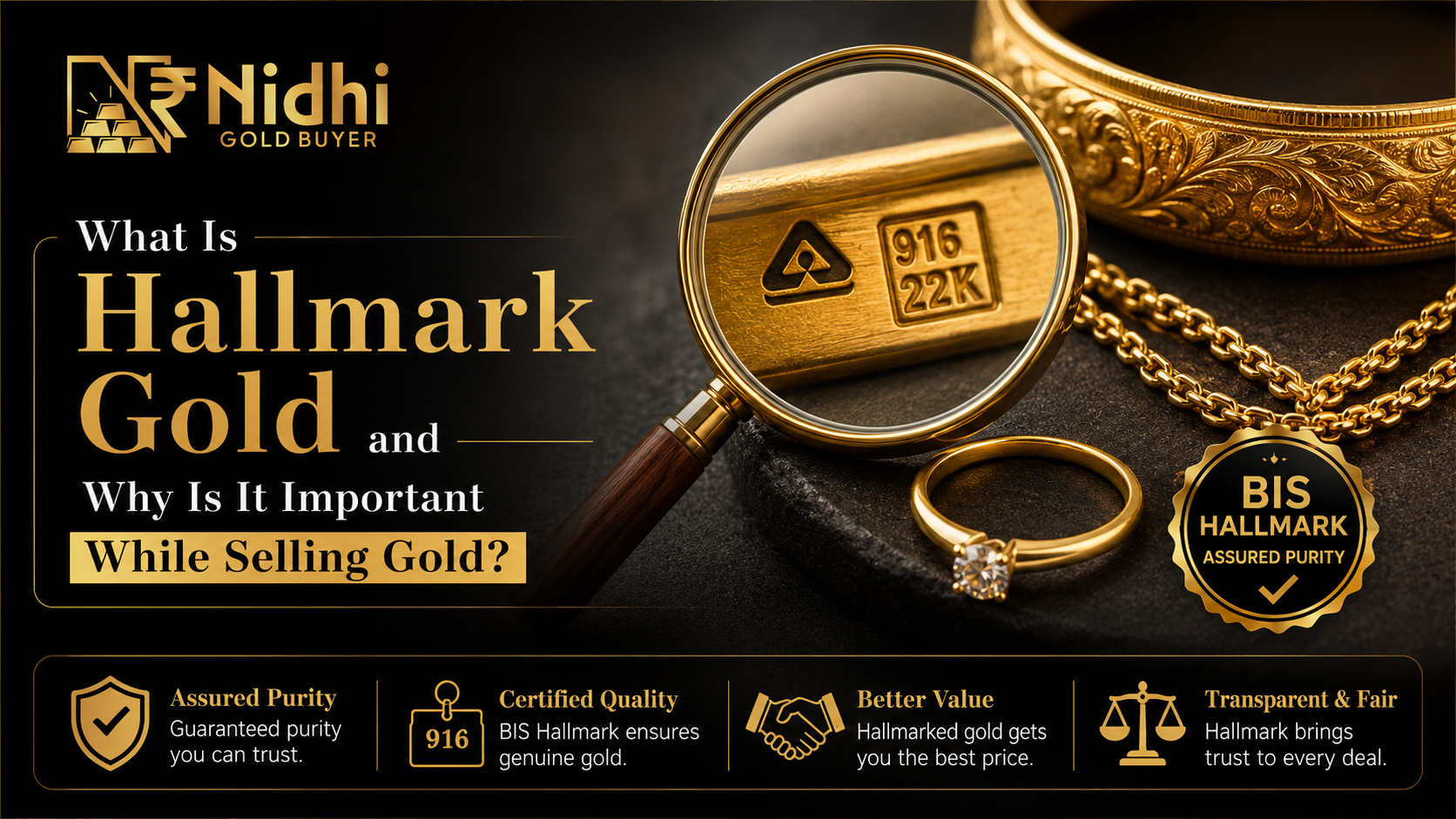
In simple language, hallmarking tells you whether the gold jewellery is actually close to the purity claimed at the time of purchase. If an item is marked as 22K916, it means the jewellery is meant to contain 91.6 percent pure gold. This is why many people also refer to it as 916 Gold or 22K Gold.
Why Purity Is Not Always Visible
A common mistake is judging gold only by colour or shine. Two ornaments may look almost the same, but their purity can be different. One may be 22K gold, another may be 18K, and both can still look attractive after polishing. Hallmarking helps because it shifts the discussion from appearance to a more reliable purity mark.
What Does BIS Hallmark Gold Usually Show?
BIS Hallmark Gold generally includes important details such as the BIS mark, the purity or fineness grade and a Hallmark Unique Identification number, also called HUID. The HUID is a six-character alphanumeric code that improves traceability and helps consumers verify the jewellery details.
Before selling jewellery, it is sensible to look for these marks carefully. On small rings or delicate chains, the marking may be tiny, so it may need a magnifying glass or jeweller’s lens. If the piece has a HUID, the details can be checked through the BIS Care app, where the Verify HUID feature helps consumers check hallmark information. BIS also explains this consumer verification facility on its consumer protection page.
Common Gold Purity Mark Examples
The Gold Purity Mark is one of the most useful parts of hallmarking. For example, 22K916 means 22 karat gold with 91.6 percent purity. 18K750 means 18 karat gold with 75 percent purity. 14K585 means 14 karat gold with 58.5 percent purity. These numbers matter because every small difference in purity can affect the final gold value.
Why Hallmark Gold Matters While Selling Gold
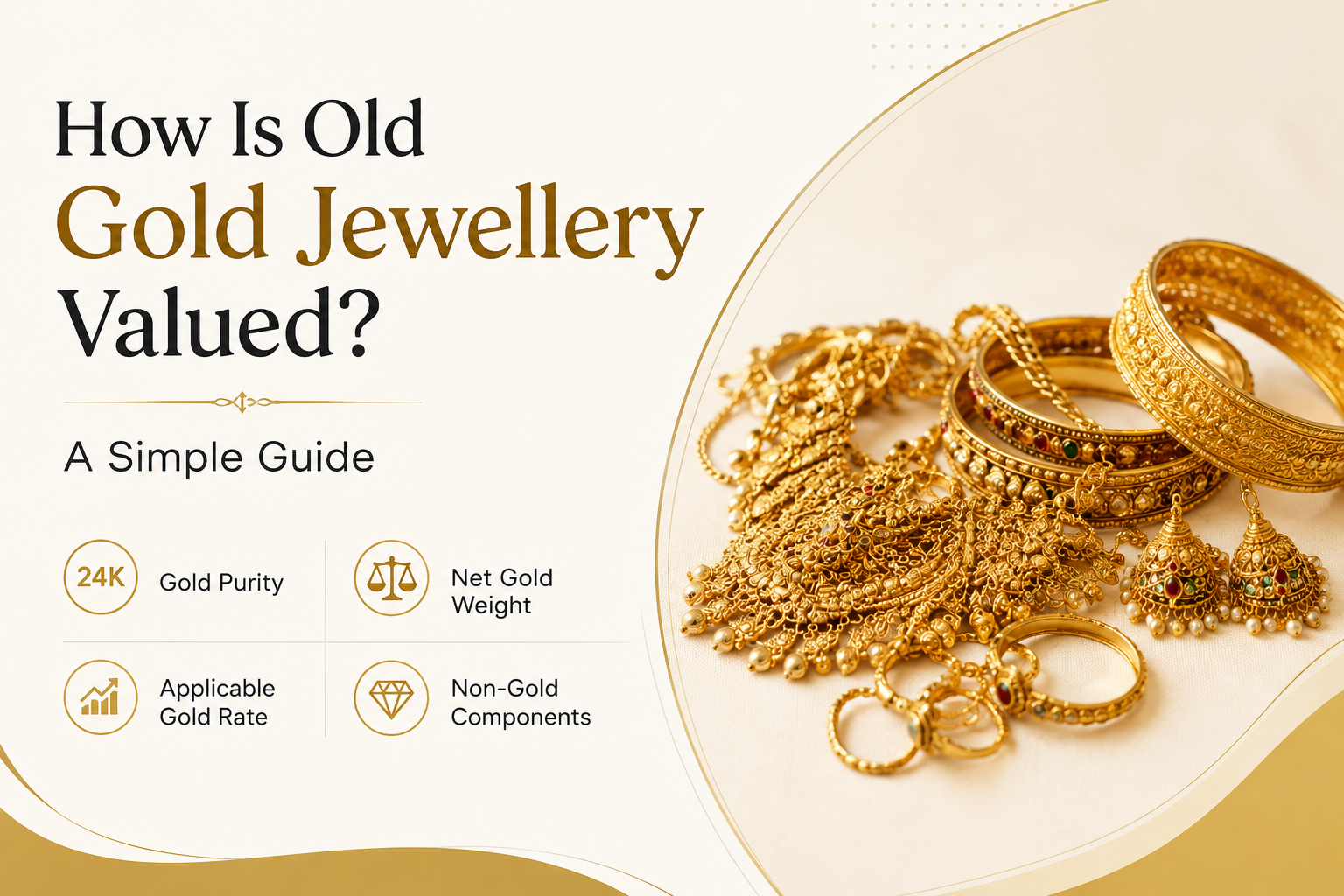
When you sell gold, the buyer does not pay for memory, design or making charges paid years ago. The valuation is usually based on weight, purity, current gold rate and any transparent deductions explained by the buyer. This is where Hallmark Gold Jewellery can give the seller more clarity.
It Makes the Valuation Conversation Clearer
Let us take a simple example. A woman brings two old bangles for sale. One bangle has a clear 22K916 hallmark. The other bangle has no visible mark because it was purchased many years ago from a family jeweller. The first bangle already gives a starting purity reference. The second bangle may still be valuable, but it will need proper testing before a final rate is offered. This does not mean non-hallmarked gold is bad. It simply means the purity has to be confirmed.
It Helps Reduce Doubt and Arguments
Many sellers feel uncomfortable because they do not fully understand testing, karat value or market rate. A hallmark does not remove every step of checking, but it reduces confusion. If the mark is genuine and readable, both sides have something standard to refer to. That makes the process less dependent on verbal claims.
It Can Protect Your Gold Value
Gold Value is closely linked with purity. A heavier ornament with lower purity may fetch less than a lighter item with better purity. This surprises many first-time sellers. Hallmarking helps you understand what you own before you accept an offer. It also makes it easier to compare rates from two or three buyers instead of taking a decision in a hurry.
Hallmarked Gold and Non-Hallmarked Gold: What Should Sellers Know?
Old family jewellery may not always be hallmarked. In India, many people still own ornaments purchased before hallmarking became common in regular retail buying. Such gold can still be sold. The important thing is to allow a transparent purity check and ask the buyer to explain the result in plain language.
If the jewellery is hallmarked, do not assume the job is fully done. Check whether the mark is readable. Look for the purity grade. If a HUID is present, verify it through the official route. Fake or misused markings can exist in the market, so a careful seller should not rely only on a quick glance.
Simple Checklist Before Selling Gold Jewellery
Before visiting a gold buyer, spend ten minutes checking your jewellery and documents. This small preparation can help you ask better questions.
- Check the hallmark: Look for BIS mark, purity grade and HUID if available.
- Keep the bill: Even an old purchase bill can help confirm weight, purity and ownership history.
- Know today’s gold rate: Check the current rate for the relevant karat before you go.
- Ask about deductions: A reliable buyer should explain melting loss, testing charges or service deductions, if any.
- Do not rush: If the value is high, compare more than one offer.
Conclusion
Hallmark Gold is important because it brings trust into a transaction where purity decides the real value. It helps jewellery owners understand whether their item is 916 Gold, 22K Gold, 18K Gold or another purity level. More importantly, it gives a recognised reference point while selling gold.
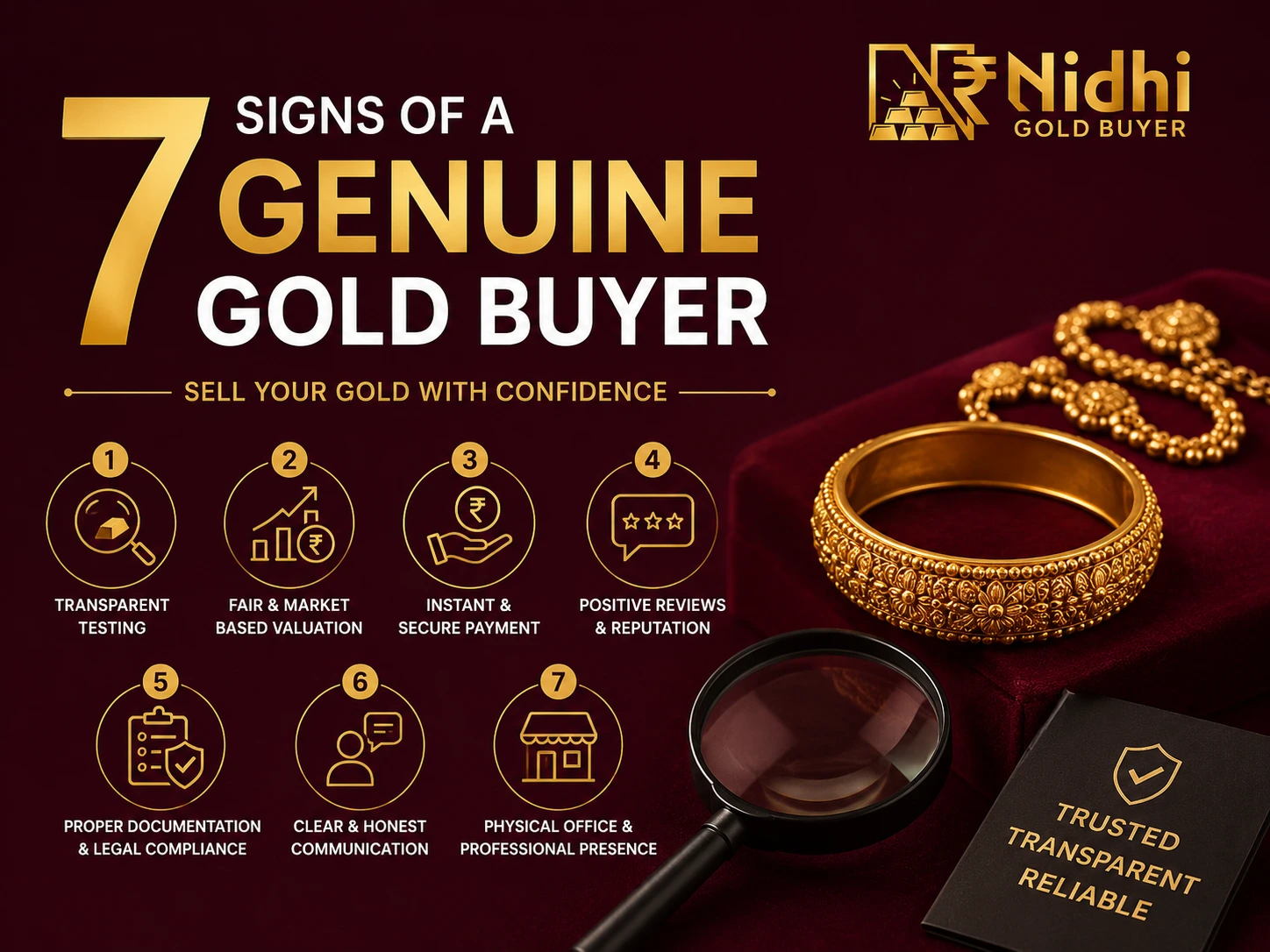
If you are planning to sell old jewellery, check the hallmark, verify the HUID where possible and choose a gold buyer who explains the valuation openly. The right information can help you sell with confidence instead of doubt.
Need a fair gold valuation?
Visit a trusted gold seller or gold buyer who follows a clear testing process, explains the purity result and shares the final calculation before you make your decision.
Frequently Asked Questions
What is Hallmark Gold?
Hallmark Gold is gold jewellery that has been tested and marked for purity under a recognised hallmarking system, usually through BIS standards in India.
Is 916 Gold the same as 22K Gold?
Yes. 916 Gold usually means 22K Gold, where 91.6 percent of the metal content is pure gold and the remaining part is alloy.
Why is BIS Hallmark Gold important while selling gold?
BIS Hallmark Gold gives a recognised purity reference, which can make valuation clearer and reduce confusion during the selling process.
Can I sell non-hallmarked gold jewellery?
Yes, non-hallmarked gold can be sold, but the buyer will usually test the purity before calculating the final value.